

Menopause
and
Perimenopause
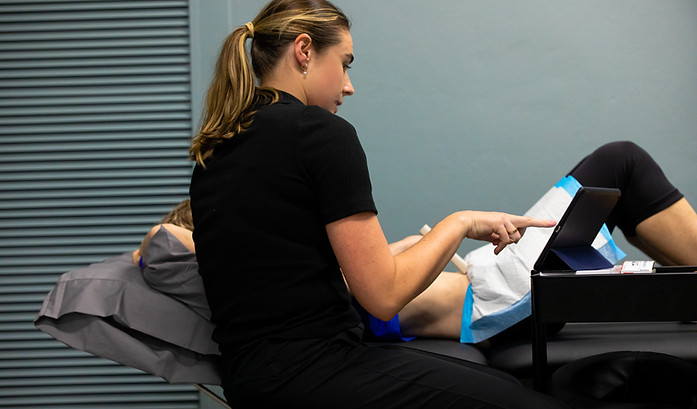
Your body has carried you through a lot. Perimenopause and menopause bring a new set of changes, and you deserve a physiotherapy team who understands exactly what's happening
and why, not vague reassurance that "it's just part of getting older."
At Darwin Health Group, our Women's Health Physiotherapists support women through the
whole menopause transition, from the first unpredictable symptoms of perimenopause
through to years after your final period. Whether it's bladder leaks that started out of nowhere,
joints that ache for no clear reason, or concern about your bone density, we can help you
understand what's going on in your body and build a plan to move through it feeling strong.
Why menopause effects more than just your hormones?
Oestrogen doesn't just regulate your cycle, it supports the strength of your pelvic floor, the
density of your bones, the cushioning in your joints, and your muscle mass.
As oestrogen declines through perimenopause and menopause, it's common to notice:
- New or worsening bladder leakage, urgency or frequency
- A feeling of heaviness or bulging in the pelvis (prolapse symptoms)
- Vaginal dryness or discomfort during intercourse
- Unexplained joint pain and stiffness, especially first thing in the morning
- Loss of muscle strength and tone
- Concerns about bone density or a recent osteopenia/osteoporosis diagnosis
Research shows more than 70% of women experience musculoskeletal symptoms during the
menopause transition, and pelvic floor dysfunction affects up to half of postmenopausal women, yet both are still under-discussed and under-treated. You don't have to just push through it,
and you don't need a referral to start.


How we can help?
-
Pelvic floor and bladder health
-
Assessment and individualised pelvic floor muscle training for incontinence, urgency, and prolapse symptoms, evidence-based physiotherapy is a first-line treatment recommended ahead of surgery in most guidelines.
-
Joint pain and stiffness We help you understand whether what you're feeling is the musculoskeletal syndrome of menopause, and build a graded exercise and strength programthat reduces pain rather than avoiding movement altogether.
-
Bone health and osteoporosis prevention Our physiotherapists design progressive resistance and impact-loading programs tailored to your bone density and fall risk, and can transition you into our small-group Better Bones Program for ongoing supervised strength training.
-
Return to strength and confidence Menopause is a good time to build strength, not scale back. We'll help you train safely and effectively through this transition, whatever your current activity level
FREQUENTLY ASKED QUESTIONS
Do I need a referral to see a menopause physiotherapist?
No, you can book directly with our Women's Health team.
I haven't reached menopause yet, is this still for me?
Yes. Perimenopause can start in your early-to-mid 40s and bring on the same symptoms years before your periods stop.
Can physiotherapy really help joint pain that isn't an injury?
Yes. Hormonally-driven joint pain responds well to the right kind of loaded, progressive exercise, often the opposite of what feels intuitive when a joint aches.
Is it too late to start if I'm already postmenopausal?
Not at all. Pelvic floor training and resistance exercise continue to produce meaningful improvements in bladder control, joint comfort and bone density regardless of how long you've been postmenopausal.
We know seeking help with these issues can be a little overwhelming at times, but you can rest easy knowing you are in a safe and welcoming space.