
How Physiotherapy Helps Lower Back Pain and When to Seek Help
How Physiotherapy Helps Lower Back Pain and When to Seek Help
Lower back pain is one of the most common reasons Australians see a health professional. Whether it came on after a heavy lift, a long day at a desk, or seemingly out of nowhere, it can stop you in your tracks. The good news is that physio for lower back pain is one of the most evidence-based and effective approaches available.
Why Lower Back Pain Happens
Most lower back pain is mechanical. That means it comes from the muscles, joints, discs, or nerves of the lumbar spine rather than a serious underlying disease. Common causes include muscle strains, disc irritation, joint stiffness, and prolonged postures that load the spine unevenly over time. In the Northern Territory, the physical demands of many jobs and the outdoor lifestyle people lead here mean lower back complaints are something we see regularly at Darwin Health Group.
What a Physio Does for Lower Back Pain
When you see a physio for lower back pain, the first step is always a thorough assessment. We want to understand what structure is involved, what aggravates and settles your pain, how it's affecting your daily life, and whether there are any flags that warrant imaging or a medical referral.
From there, treatment is tailored to you. Depending on what we find, it might include:
Hands-on therapy to reduce pain and improve joint mobility. This includes techniques like soft tissue release, joint mobilisation, and dry needling where appropriate.
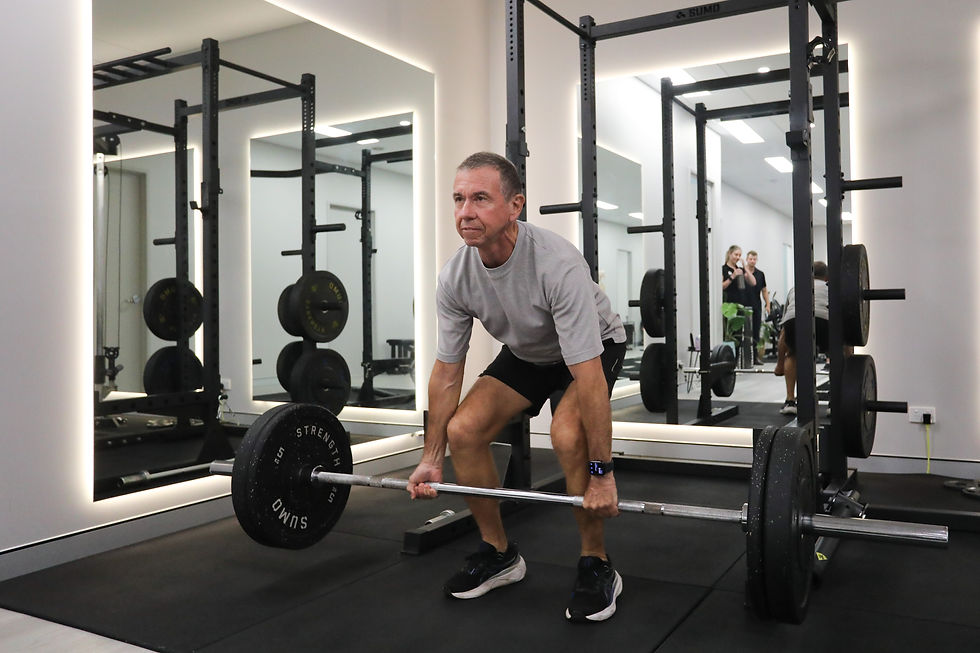
Exercise rehabilitation to address the underlying contributors. Weakness in the deep stabilising muscles, poor hip mobility, and movement patterns that place excessive load on the lower back are common findings. A structured exercise program targets these directly.
Education and load management. Understanding why your back is sore and how to modify activity in the short term without becoming overly fearful of movement is a key part of recovery.
Return to function planning. Whether that means getting back to work, sport, or just being able to bend down without bracing yourself, your physio will work toward specific functional goals.
When You Should See a Physio
You don't need to be in severe pain to benefit from back pain physio. Earlier presentation generally means faster recovery and a lower chance of pain becoming persistent. A good rule of thumb: if your back pain has lasted more than a few days, is limiting your normal activities, or keeps coming back, it's worth getting it assessed.
There are also symptoms that should prompt you to seek help promptly. These include pain that travels down one or both legs, numbness or tingling in the legs or feet, weakness in the lower limbs, or any problems with bladder or bowel control. These can indicate nerve involvement and need assessment without delay.
What to Expect at Darwin Health Group
Our physiotherapists in Darwin approach lower back pain with a thorough assessment and a realistic, practical plan. We're not here to keep you coming back indefinitely. Our goal is to get you better, equip you with the tools to manage your own back long-term, and be honest with you about what to expect along the way.
We treat a high volume of lower back conditions across all age groups, from sedentary office workers to active tradespeople and athletes.
Ready to Get Your Back Sorted?
If you're dealing with lower back pain, don't wait for it to resolve on its own. Learn more about our back pain physiotherapy service {https://www.darwinhealthgroup.com/blog/categories/lower-back] or book online to see one of our Darwin physiotherapists.



Comments